
We’ve all been there.
January 1st, the energy is “New Year, New Me.” The slide decks are glowing. The KPIs are ambitious. The CEO is nodding. Everyone is speaking big English about “disruption” and “market penetration.” You’d think the team was preparing for a moon landing.
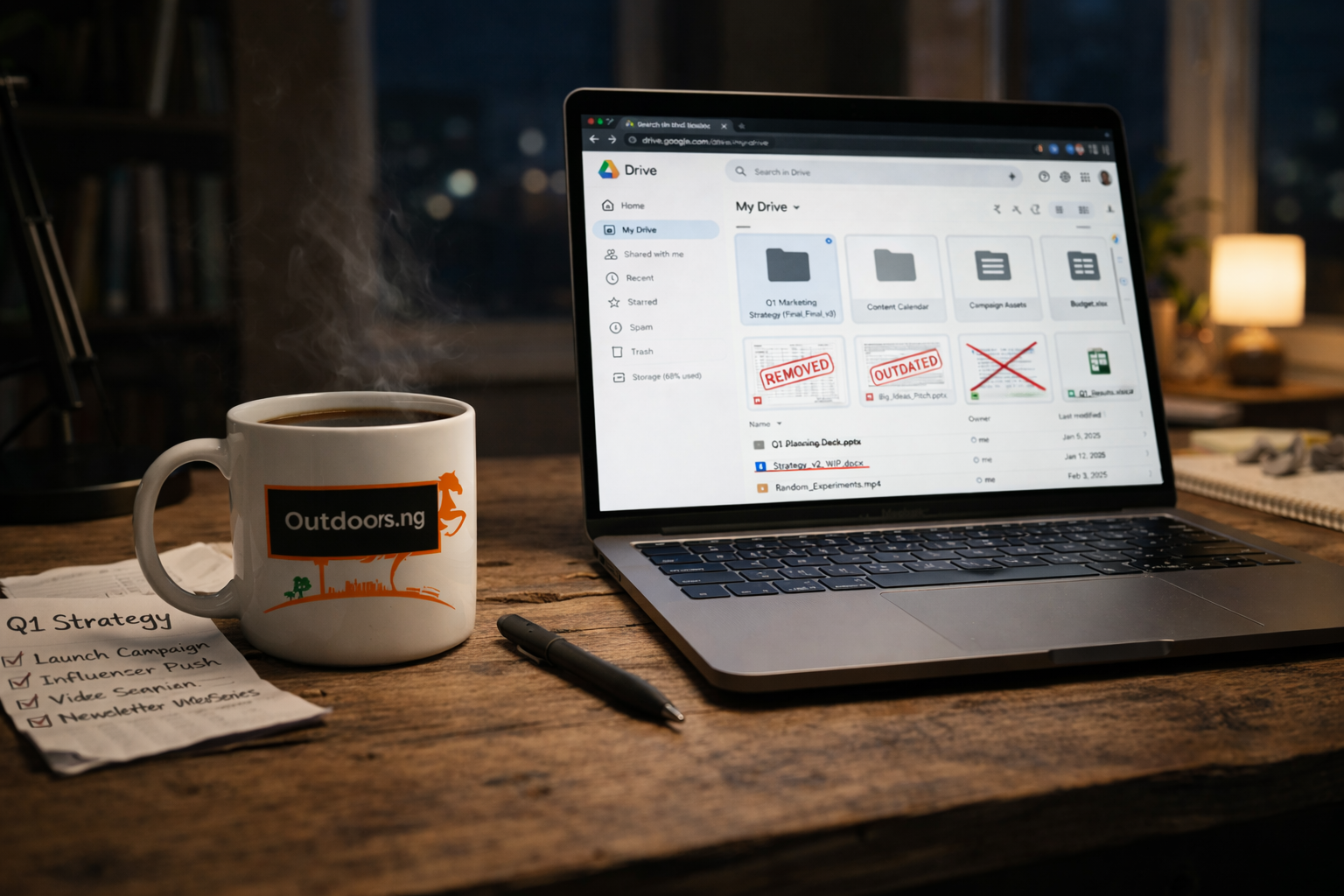
But by February 14th, while the rest of the world is celebrating Valentine’s Day, your Q1 strategy is already in the intensive care unit. By March? It’s a ghost. A PDF file buried in a Google Drive folder, gathering digital dust alongside last year’s “rebranding” notes.

“The statistics say 45% of teams abandon their plans by mid-February.”
In reality, for many of us, the strategy didn’t just “fail”; it crashed into a wall like Lagos traffic, “urgent” last-minute client requests, and stakeholders who change their minds faster than a fintech app updates its Terms of Service.
The “Overselling” Trap
Most strategies are written for a version of Nigeria that doesn’t exist. They are built for a world where:
- Electricity is 24/7.
- Vendors deliver on time.
- The budget approved on Monday is still there on Wednesday.
We build strategies like we’re pitching for an award, focusing on “Clean Slides” and “Big Ideas.” But nobody asks the real question:
“Can we actually do this on a rainy Tuesday when the server is down, and the MD wants a new campaign launched by 4:00 PM?”
“Strategy is not the grand idea. It’s the boring repeatability of that idea.”
WHY THE “PERFECT PLAN” ALWAYS BREAKS
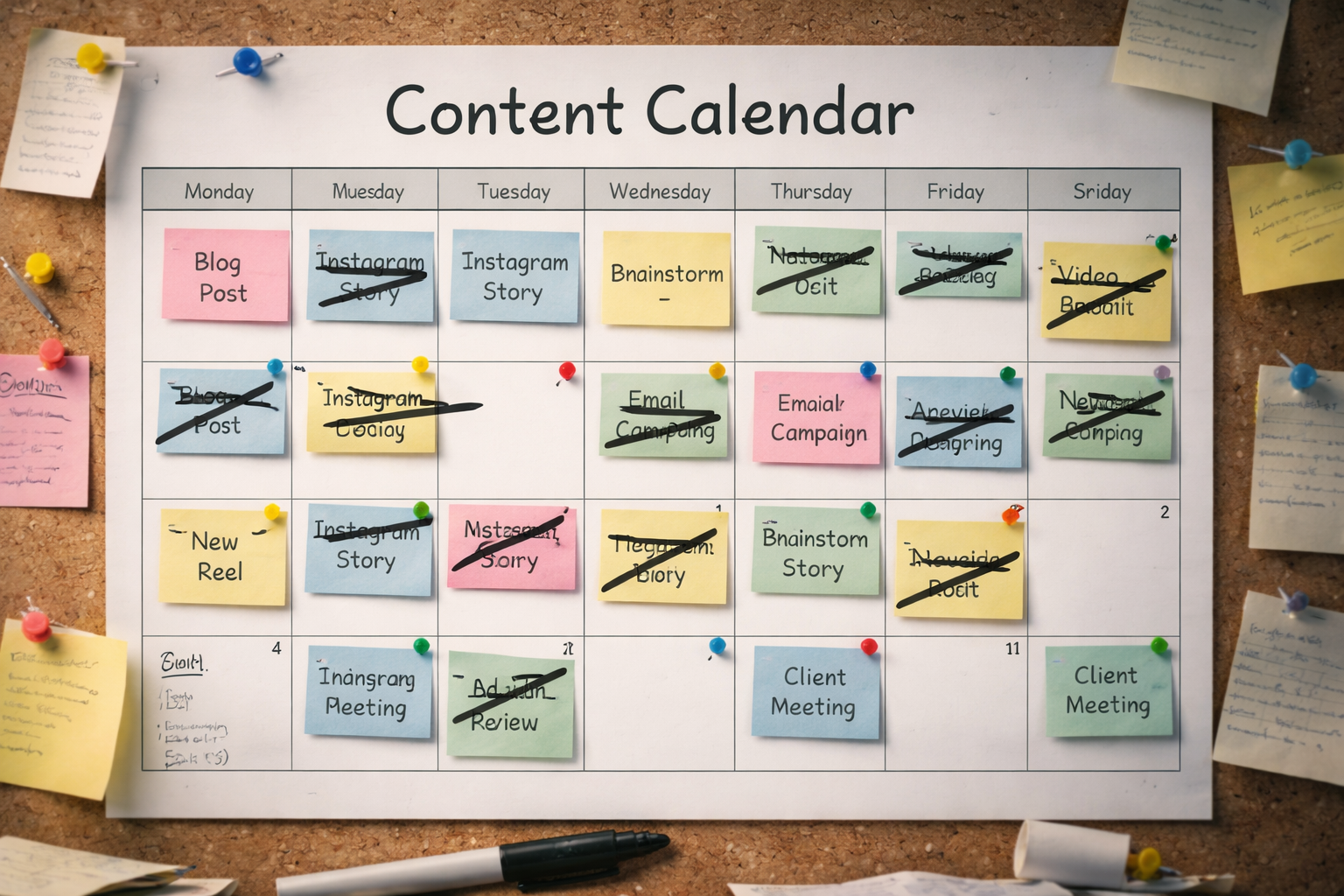
Strategy is just Nomenclature; A document only with a befitting title. Others swear by Marketing itself that it is ruthless execution and nothing more. Every Strategy Needs A ‘’Plan B’’ because Plan A is never really enough, hence. Plan B and C. If your marketing formula is winning you don’t need to change it. Teams rarely announce they’ve quit the plan. It happens quietly. A small “tweak” here, an “adjustment” there, a “let’s just try this for now” over there.

Do This Instead: Build for the Trenches
Stop trying to create a “Master Plan.” Start building a Survival Guide.
Don’t give your team a 50-page document they’ll never open. Give them lucidity.
“When things get messy, and they will, people don’t follow documents; they follow simple rules they actually understand.”

The Reality Check:
If your strategy didn’t survive Q1, don’t beat yourself up. It just means you built a Ferrari for a road that required a Hilux.
“Strategy isn’t about what looks sophisticated in January; it’s about what is still standing in the heat of March.”
It’s okay to admit the January plan was built for a perfect world. Let’s swap the “window dressing” for a strategy that can actually handle the potholes of the real world.
[Let’s Have a Real Conversation]